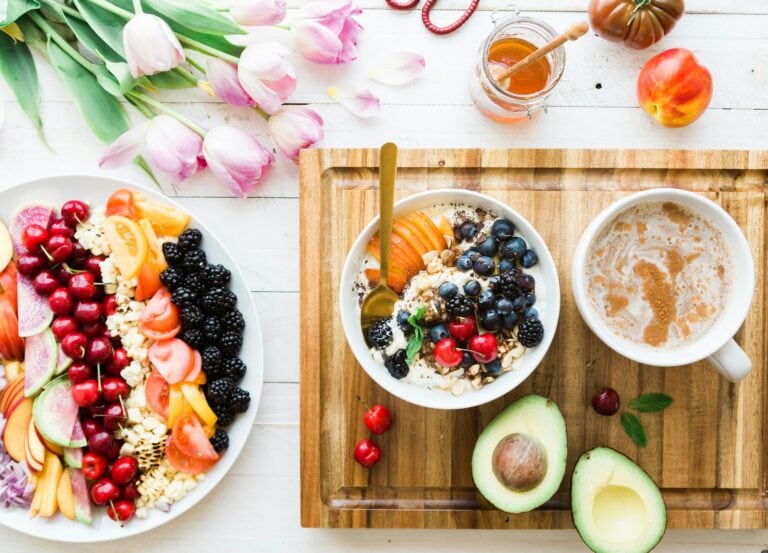

You’ve probably seen “anti-inflammatory diet plans” pop up all over your social media feeds lately. While this may seem like just another trendy eating plan, there’s actually some interesting science behind the idea. The good news is that an anti-inflammatory diet doesn’t have to be complicated. It’s all about choosing foods that support your overall health, and limiting those that may contribute to chronic inflammation.
What is an anti-inflammatory diet?
Inflammation is a normal process that helps your body deal with injury and infection. That being said, problems can arise in the body when inflammation persists for a long time. Chronic inflammation has been linked to a number of health conditions, including heart disease, type 2 diabetes and arthritis.
An anti-inflammatory diet focuses on whole, minimally processed foods that are rich in nutrients, fibre and antioxidants. It generally includes plenty of vegetables and fruit, whole grains, beans and lentils, nuts, seeds, and healthy sources of fat.
What should you eat?
There are plenty of easy foods you can add to your everyday meals. Fatty fish like salmon, sardines and mackerel are great choices because they’re rich in omega-3s. You can also get healthy fats from foods like olive oil, avocado, walnuts, almonds, chia seeds and flaxseeds.
Try to include a good mix of colourful fruit and vegetables, such as berries, leafy greens, tomatoes, broccoli, peppers and carrots. Whole grains like oats, brown rice and whole-grain bread are good sources of fibre, while beans and lentils are an easy way to add plant-based protein and other nutrients to your diet. You may also wish to add spices such as turmeric and ginger, both of which have been shown to reduce inflammation.
What are the benefits?
Eating more whole foods and cutting back on highly processed foods supports heart health, blood sugar control, and maintaining a healthy weight. You may also notice better digestion, more stable energy levels and less brain fog.
That said, an anti-inflammatory diet isn’t a cure for any specific medical condition. Everyone’s nutritional needs are different, and your diet is just one part of staying healthy.
Are there any downsides?
For most people, there’s little downside to eating more whole foods. The biggest challenge can be practicality, as cooking more meals at home and buying fresh ingredients can take extra time and money. It can be easy to become overly restrictive, but you don’t need to completely eliminate sugar, dairy, gluten or other specific foods unless you have a medical reason to do so. Remember, occasional treats can absolutely fit into a healthy diet.
Ultimately, an anti-inflammatory diet is about building sustainable eating habits. If your diet is currently heavy in highly processed foods, simply adding more vegetables, fruit, whole grains, legumes, nuts, seeds and oily fish can be a great place to start. Your body (and mind) will thank you!