
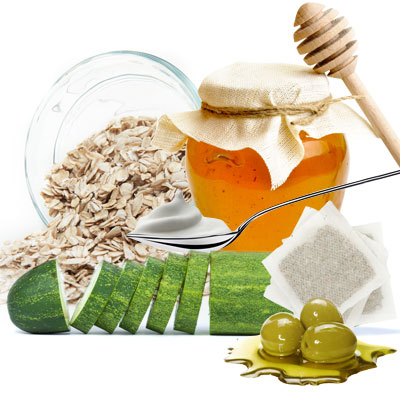
 1. Lighten up your moisturiser
If you’ve still got a full pot of heavy-duty winter moisturiser that you’re loathe to throw out, or you don’t want to splash out on a lighter lotion for spring, simply dilute your current heavier moisturiser with a little witch hazel or rose water.
2. Scrub away the winter blues
Rooibos sugar scrub
½ cup almond, jojoba or rosehip oil
2 cups sugar
5 drops essential oil
Contents of two rooibos teabags
Bang all the ingredients in a bowl and mix ’em up, then store in an airtight container. When bath or shower time comes, take a large handful, scrub all over and rinse off.
How does it work?
Well, it’s not rocket science: the abrasive texture of the sugar loosens dead skin cells, helping to reveal more radiant skin underneath. Plus, your skin will feel smooth as a baby’s afterwards (just don’t forget to moisturise). Rooibos has loads of skin benefits: it’s rich in antioxidants, and has anti-ageing, anti-inflammatory and antibacterial properties.
3. Gentle cleanser
Yoghurt and oatmeal facial cleanser
½ cup oatmeal
2 tablespoon of plain yogurt
Mix ingredients together, allow to sit for about 10 minutes, then smooth over your entire face, avoiding the eye area. Massage into skin for a minute or two, then rinse off.
How does it work?
Oatmeal contains saponins, chemical compounds that act as a cleansing agent (allowing the cleanser to sit for a bit before using it helps to draw out the saponins), and can therefore be used as a mild soap. Yoghurt contains an alpha hydroxy acid – lactic acid – that acts as a gentle exfoliant.
4. Sensitive/allergic skin salve
Cucumber & chamomile facemask
About 10cm fresh cucumber, blended
3 teaspoon olive oil
2 teaspoon rolled organic oats
3 drops chamomile essential oil*
Combine the ingredients to form a paste. Apply to dry, just-washed skin and leave on for 10 to 15 minutes. Rinse off and moisturise (an organic, hypoallergenic moisturiser is best).
How does it work?
The organic acids and vitamin C in cucumber help to soothe skin and reduce redness, while chamomile has anti-inflammatory properties.
*If you are pregnant, consult your doctor before using any essential oils.
5. Keep spots at bay
Honey & bicarb mask
Mix 1 tablespoon honey with 2 tablespoons bicarbonate of soda, or as needed until you have a thick paste. Apply to dry, just-washed skin and leave on for 10 minutes. When you’re ready to remove the mask, massage it into skin a little to exfoliate dead skin cells, then rinse off with warm water and moisturise as usual.
Don’t apply the mask for more than 10 minutes, three times a week. If you have sensitive skin, try using bicarbonate of soda as a daily scrub instead.
How does it work?
Baking soda counteracts the acidic pH in which the bacteria that cause pimples to thrive. It also works as a mild exfoliator, removing dead skin and helping to deep clean and unclog pores. Honey has antibacterial properties, which also help to nuke those pimple-causing bacteria.
Images: Shutterstock.com


33 comments
Azraa
Thanks for the recipes! Love the scrub! Gonna try it out tomorrow!
And rooibos is so good!
Maddy
Love the tips. Though i love store bought products, but recepies like these are such a fab treat for the skin.
Chicara
I love DIY skincare. I wanna try the cucumber & chamomile facemask and the rooibos sugar scrub. Yum!
Rochelle Kay
Love DIY recipes!!!
Vadapalli
Great tips!! I am definitely going to try the rooibos scrub and honey bicarb mask. Just want I needed.
Sam
Wonderful recipes.
Gee Whiskers
Love this article – I’ll definitely be raiding the kitchen in future for my beauty fixes!
Jeanice van Heerden
Love this. Its so helpful
DIVA
I nee to keep the spots at bay, the reciep is so easy. Thanks
Noma
Yummy recipes..!!!