Skincare has always been at the heart of the beauty industry, but its influence now extends far beyond traditional cleansers, serums, and moisturisers. From fragrance and makeup to haircare, skincare principles (and the demand for skin-loving formulas) are transforming how beauty products are developed, formulated, and used.
Known as “skinification”, this movement applies skincare ingredients, technologies, and philosophies to other beauty categories. The result? Fragrances that care for the skin, makeup that offers more than colour and haircare that takes a targeted, treatment-led approach to scalp and hair health.

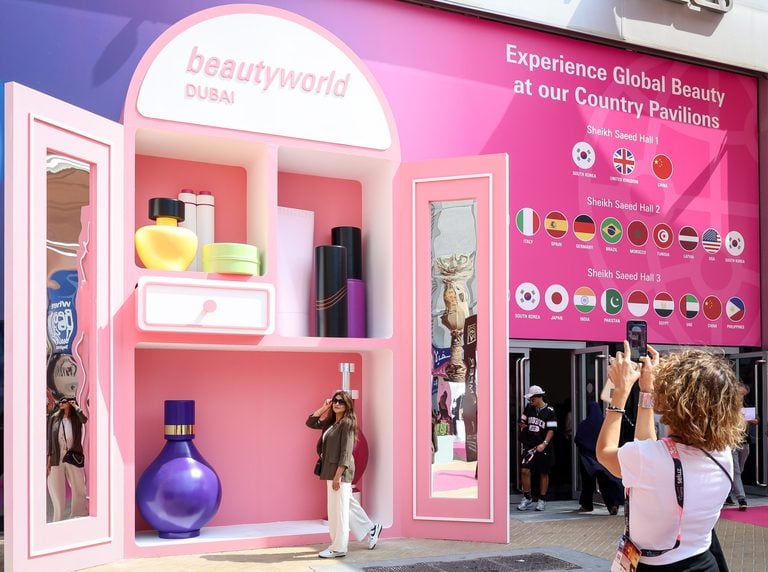
This was one of the key developments highlighted at Beautyworld Dubai 2026, where conversations across the exhibition floor and conference programme revealed exactly how much skincare is shaping the future of beauty.
Beautyworld Dubai is one of the world’s largest beauty trade fairs, and this year’s event hosted over 1300 exhibitors from 56 different countries. It’s a hub for international beauty experts, entrepreneurs and artisans to not only conduct business but also share insights and knowledge.
We spent three days attending various presentations, interviewing experts and visiting stalls to learn more about this trend and its future.

When fragrance becomes skincare
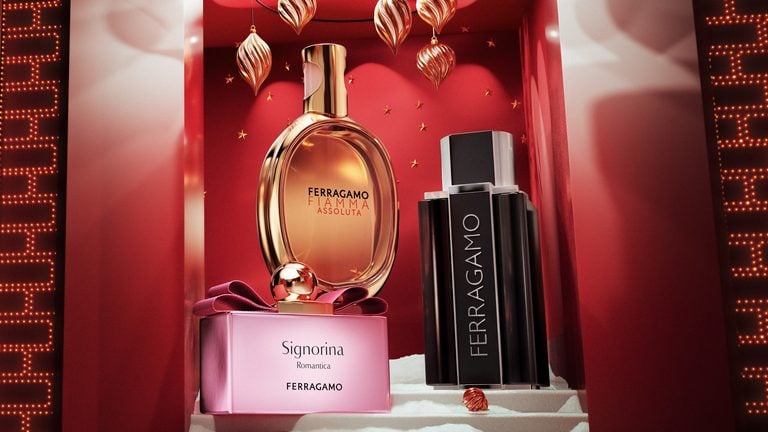
Perhaps one of the most interesting developments is the skinification of fragrance. Traditionally, perfumers have focused on simply creating a beautiful scent. However, changing consumer expectations are encouraging fragrance houses to rethink their formulations.
During Beautyworld Dubai’s Next in Fragrance conference, the session ‘The Evolution of Scent: Alcohol-free Fragrance and the Skinification Movement‘ explored this growing relationship between fragrance and skincare.
Today’s consumers are increasingly ingredient-conscious, paying closer attention to what they apply to their skin and how products make them feel. This has created opportunities for fragrance brands to explore more skin-conscious formulations, including alcohol-free and water-based alternatives, as well as products incorporating familiar skincare ingredients.
Hyaluronic acid, for example, is making its way into fragrance formulations, offering added hydration. Nourishing fragrance oils are also gaining attention as consumers look for alternatives to traditional alcohol-based perfumes.
This doesn’t mean fragrance is losing its primary purpose. Rather, it is evolving into a more considered beauty experience, where the sensory pleasure of a beautiful scent can be combined with additional skincare benefits.

Makeup that does more than cover
For some time now, skincare has had a major impact on the makeup industry. Consumers increasingly want complexion products that enhance their appearance while also supporting skin health.
The popularity of hybrid formulations has given rise to products such as serum foundations, tinted moisturisers, tinted lip treatments, and BB and CC creams. These products combine the coverage and colour of traditional makeup with ingredients designed to hydrate, nourish and protect the skin.
Lip products now frequently incorporate nourishing oils and hydrating ingredients, while blushers and concealers are increasingly formulated with skincare benefits.

This shift was also reflected in the makeup masterclasses at Beautyworld Dubai. Celebrity makeup artists Mary Phillips and Patrick Ta both emphasised the importance of healthy-looking, well-prepared skin as the foundation of a beautiful makeup look.
Mary Phillips demonstrated her signature underpainting technique, which involves applying contour and highlight beneath a sheer layer of foundation to create a naturally sculpted finish. Her “skin-first philosophy” focuses on enhancing natural features rather than masking them.
Similarly, Patrick Ta highlighted the importance of adequately hydrating the skin before makeup application, demonstrating his signature glass-skin approach to achieving a luminous, dewy complexion. In a one-on-one interview with our editor, he noted the importance of using makeup to show off his clients’ natural beauty and skin, rather than covering it up.
Their techniques reflect a wider industry movement towards makeup that works with the skin to strengthen and support it, rather than hide it.

Skincare ingredients are transforming haircare
Another area where skinification is gaining momentum is haircare. While consumers have traditionally focused on the appearance, texture and manageability of their hair, there is growing recognition that healthy-looking hair starts with a healthy scalp.
Much like facial skincare, scalp care is becoming more sophisticated, with an increasing focus on cleansing, exfoliation, hydration and maintaining a healthy skin barrier. This was particularly evident in the K-Beauty section at Beautyworld Dubai, where numerous haircare products featured ingredients traditionally associated with facial skincare.
Niacinamide, glycolic acid and salicylic acid are among the familiar skincare actives making their way into scalp and haircare formulations. Salicylic acid exfoliates, and remove excess oil and product build-up, glycolic acid supports exfoliation, while niacinamide is valued for its skin-conditioning and barrier-supporting properties.
This approach is changing the way consumers think about their haircare routines. Scalp serums, exfoliating treatments and targeted leave-in products are becoming increasingly important, moving haircare beyond the traditional shampoo-and-conditioner combination.

One beauty philosophy across multiple categories
What is driving this crossover between skincare and other beauty categories? Much of it comes down to changing consumer expectations. Today’s beauty enthusiasts are more informed about ingredients and formulations. They are also becoming more demanding, expecting higher product efficacy and looking for ways to simplify their routines without compromising on results.
Multi-functional products are therefore becoming increasingly appealing. Why use a makeup product that only provides coverage when you could choose one that also hydrates?
There is also a growing shift towards preventative care, long-term skin health, and wellness, with consumers placing greater value on maintaining healthy skin rather than just concealing imperfections.
Ultimately, skinification represents a major evolution in how we approach beauty. The boundaries between skincare, makeup, fragrance and haircare are becoming increasingly blurred, with innovation happening every step of the way.
If Beautyworld Dubai 2026 offered any indication of what lies ahead, it is that skincare is no longer confined to the bathroom cabinet. Its influence is shaping almost every aspect of our beauty routines, and this trend looks set to become even more prominent in the years ahead.