
In beauty marketing, the setting of a shoot shapes how consumers understand the product, imagine using it, and connect emotionally to the vibe, says Vanessa Rogers.
While studio shoots have long been a staple in the beauty industry, photographing models in natural settings can often create campaigns that feel more authentic and aspirational.
Is it lifestyle relatable?
A studio environment offers control. Lighting, composition, backgrounds, and styling can all be carefully managed. This makes it useful for clean product photography or highly polished brand visuals. But that same control can sometimes make a campaign feel distant from real life. When each surface is perfectly sculpted and every light source is artificial, the final image may look beautiful – but not likely relatable. For modern beauty consumers, relatability matters significantly.
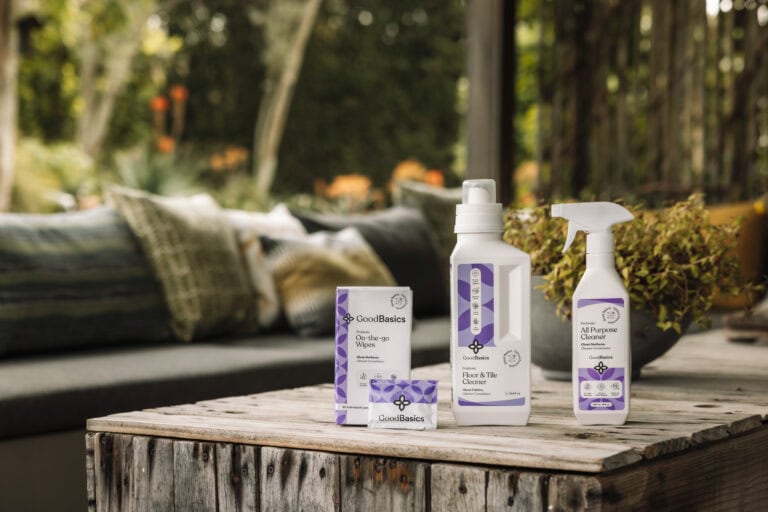
Natural settings, such as a Cederberg photography shoot, help to bridge the gap between product and lifestyle. A moisturiser photographed beside a sunlit window, a lip balm used during a morning walk, or a body oil applied after tough hike – provides the audience with a clear sense of how the product fits into their daily lives. Instead of simply seeing what the product looks like in its packaging, consumers can picture when, where, and why they would need them out there in the real world.

Does it fit into your lived experience?
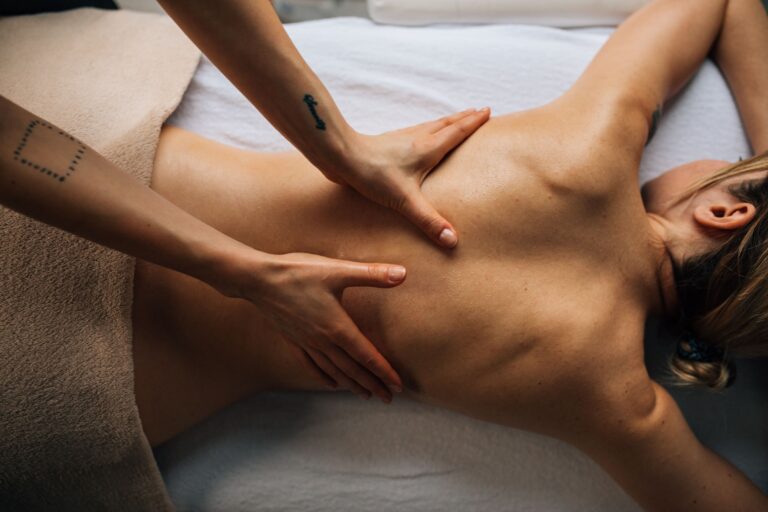
This concept is especially powerful when models are shown using the range of products in an organic environment. Beauty products are deeply personal. They are applied to the skin, used in daily routines, and tied to confidence, comfort, and self-expression. When a campaign shows a model applying a serum outdoors in soft morning light, or refreshing her complexion after time spent in a rock pool – this creates a narrative. The product becomes part of a lived experience rather than an isolated object on a seamless backdrop.
Natural environments also bring texture, movement, and emotion into the frame. Wind in the hair, sunlight on the skin – plus a backdrop of water, greenery, stone, sand, or wood can all create a sensory richness that studio settings often have to imitate. These details make an image feel more alive. For beauty brands, a sense of vibrancy is created that’s especially valuable in revealing how people want to feel: fresh, radiant, grounded, confident, effortless, or restored.

Where use and effect matter deeply
Another advantage is trust. Consumers are increasingly aware of overly edited, or highly staged, beauty imagery. While polished visuals still have their place, campaigns that feel too perfect can create skepticism. Natural settings tend to soften this effect. Real light, in an outdoor environment, can make a beauty campaign feel more honest. This does not mean an image has to be casual or unrefined. A campaign shot in a natural setting can still portray forthcoming luxury, and aspirational intent. The difference is that it feels believable.
Furthermore, shooting in a natural setting, such as on a Cederberg photography shoot, can strengthen brand storytelling. A clarifying skincare brand may come alive in a cacti garden, rural home, or sunlit kitchen. A mineral makeup brand may feel more compelling against desert tones, open landscapes, and fresh outdoor light. A body care brand may communicate nourishment and ease through scenes shot on linen, near waterfalls, and in and around natural textures. In shoots such as this, the environment is often able to morph into a visual extension of the brand’s inherent values.

Performance across platforms
Natural settings can also create more versatile campaign assets. A single outdoor or lifestyle shoot is often able to produce volumes of product shots, model imagery, social content, website banners, email visuals, ads, and behind-the-scenes material. Because the imagery feels less rigid, it often performs extremely well across platforms – where users expect content to feel both native and emotionally engaging.
Ultimately, beauty campaigns should not just be geared towards selling formulas, or packaging. They should also convey a feeling and a version of life that the consumer wants to step into. Studio shoots can make a product look flawless, but natural settings tend to give is a desirable feel – and to make it both usable, and authentically real-world.
When beauty products are depicted in such a way that people can relate to exactly why their use is invaluable, any given campaign becomes less like a pretty image; and more like an invitation into a more intentional existence.
It’s an invitation that makes natural-setting campaigns so effective. They don’t simply tell consumers that a product works, or looks good. They show how it belongs in their lives.
- Please visit Travex.com to find the location most suitable for your upcoming assignment.